Window tinting questions have been heating up lately, and for good reason. With rising summer temperatures, more remote driving, and a growing awareness of UV damage, drivers are looking for ways to protect their vehicles, their skin, and their comfort. Window tint has quickly become one of the most popular auto upgrades on the market.
If you have been curious about whether tinting is worth it, or which type to pick, this guide breaks everything down in plain language.
What Is Window Tinting?
Window tinting is a thin film applied to the inside of your vehicle's windows. The film blocks varying amounts of light, heat, and ultraviolet (UV) rays from entering your car. Think of it like sunscreen for your vehicle. Some films are dyed for a clean factory look, others use metals or ceramics to reflect heat, and the best films do both while keeping your view crystal clear.
Why Window Tinting Is Worth It
Here are some facts that surprise most people:
- Up to 90 percent of premature skin aging is caused by UV ray exposure, and a lot of that exposure happens behind the wheel.
- A tinted car interior can stay significantly cooler than an untinted one on a hot day, with some films cutting cabin heat dramatically.
- Window tint protects your seats, dashboard, and trim from fading or cracking over time.
- Quality tint film holds shattered glass together in an accident, adding a layer of safety.
- Less glare means less eye strain on long drives and safer night driving.
- Tint also adds privacy without sacrificing your view from the inside.
That is a lot of value packed into one upgrade.
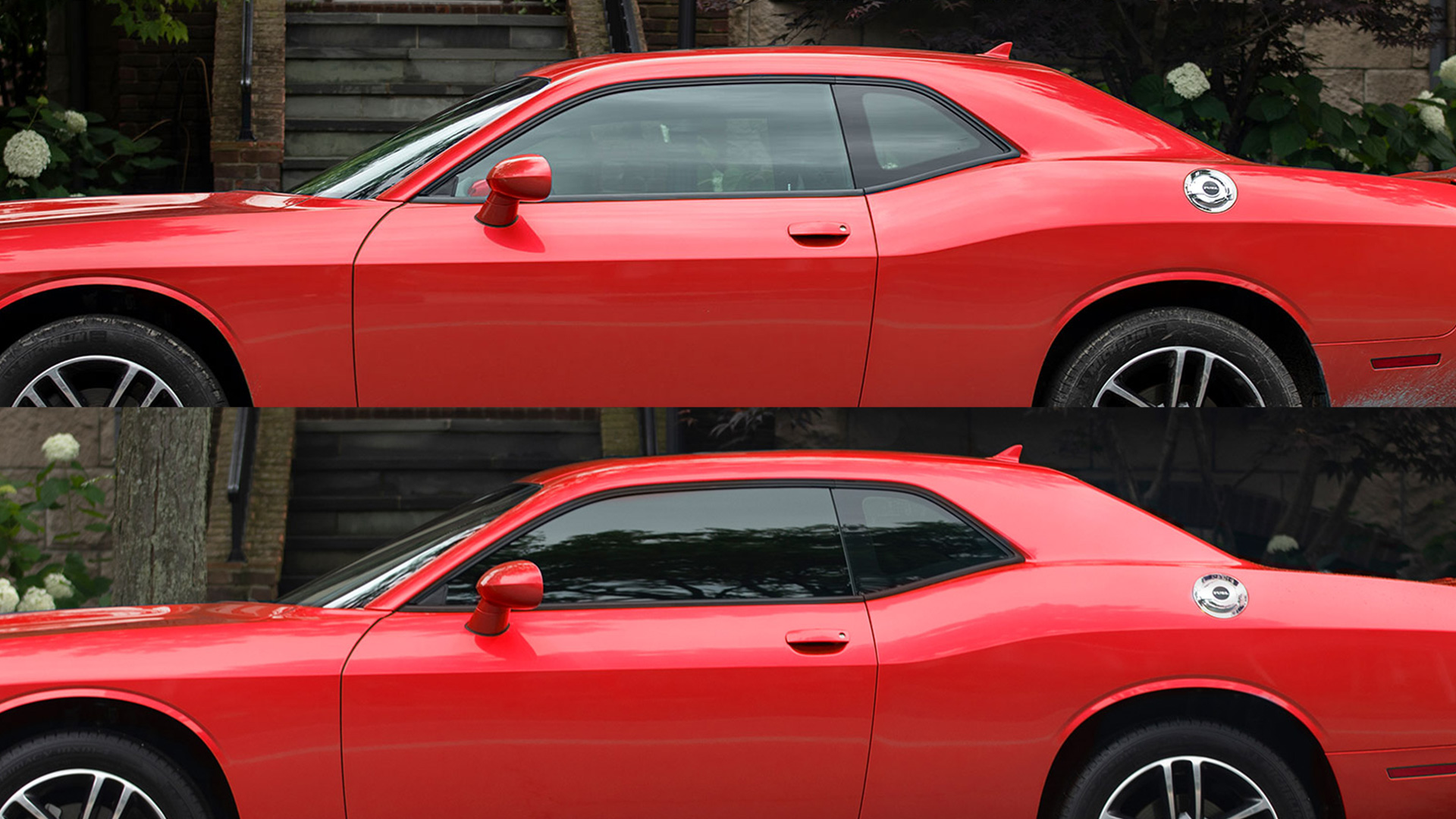
The Three Types of Window Tint Ziebart Offers
Not all tints are created equal. At Ziebart, we offer three series that meet different needs and budgets. Here is what makes each one special.
1. Premium Dyed Series
This is our entry-level option and a great starting point for drivers who want a clean, polished look. The Premium Dyed Series comes in a shadow color that blends seamlessly with factory tint, so your windows look like they came that way from the manufacturer. It is non-reflective in appearance and comes in 6 shades.
Best for: Drivers who want a sleek, factory-matched appearance at an accessible price.
2. High Performance Metalized Series
If you want more than just looks, the metalized series steps things up. This film uses tiny metal particles to shield against sunlight and reject heat. It blocks 99 percent of UV rays, features a superior scratch-resistant coating, and is built for long-term durability. It comes in 7 shades.
Best for: Drivers who want stronger heat rejection and UV protection with proven toughness.
3. Infrared Nano Ceramic Performance Series
This is the top of the line. The Nano Ceramic Performance Series delivers the best infrared heat rejection available, plus a reflective shadow color that looks stunning on any vehicle. Ceramic technology is the gold standard in window tinting because it rejects heat without interfering with electronics like cell phones, GPS, and radio signals. It comes in 8 shades.
Best for: Drivers who want maximum heat rejection, premium aesthetics, and the absolute best performance available.
Understanding VLT and TSER in Simple Terms
When you start shopping for tint, you will see two key terms come up over and over.
Visible Light Transmission (VLT) measures how much light passes through the tint. A 5 percent VLT is very dark (limo tint), while 80 percent VLT is very light. All Ziebart tints are available between 5 and 80 percent VLT.
Total Solar Energy Rejection (TSER) measures how much total solar energy (heat, UV, and infrared combined) the tint blocks. Our films range from 35 to 63 percent TSER. The higher the number, the cooler your car will stay.
In short, VLT is about how the tint looks, and TSER is about how it performs.
Frequently Asked Questions About Window Tinting
How long does window tint last?
With quality film and professional installation, window tint can last 10 years or more. Ziebart backs our tint with a warranty so you can drive confidently for years to come.
Is window tinting legal?
Yes, but the legal darkness (VLT percentage) varies by state. Ziebart installers know your local laws and will help you pick a shade that fits both your style and the rules in your area.
Will window tint interfere with my electronics?
Metalized films can occasionally affect cell signals and GPS performance. If that is a concern, ceramic tint is the way to go because it does not interfere with electronics at all.
How long does the installation take?
Most full vehicle tint jobs take 2 to 4 hours, depending on your vehicle and the film you choose.
Can I tint my windshield?
Most states allow a tint strip across the top of the windshield. Some states also allow full windshield tint with clear ceramic film. Your local Ziebart can tell you what is permitted where you live.
What is the difference between dyed, metalized, and ceramic tint?
Dyed tint uses color pigment to absorb light and looks clean and matte. Metalized tint uses metal particles to reflect heat and adds durability. Ceramic tint uses non-conductive nano-ceramic particles that block heat without interfering with electronics, making it the highest performing option.
Does window tint help reduce air conditioning use?
Yes. By blocking solar heat before it enters your cabin, the window tint helps your AC work less, which can improve fuel efficiency and reduce wear on your cooling system.
Can window tint be removed?
Yes, professional installers can safely remove window tint without damaging your glass or defroster lines. This is useful if you want to upgrade to a newer film or change shades.
Ready to Get Tinted?
Window tinting is one of the smartest upgrades you can make to your vehicle. It protects your skin, keeps your car cooler, preserves your interior, looks great, and pays for itself in comfort and longevity. Whether you want a simple factory match or the highest performing ceramic film on the market, Ziebart has an option for you.
Find your nearest Ziebart location and get a quote today. Your car (and your skin) will thank you.